Embracing Your Inner Expert: How to Overcome Imposter Syndrome and Step Into Your Potential
Feeling like a fraud, even when you’re qualified and capable, is more common than you’d think. Imposter syndrome doesn’t discriminate — it hits students, professionals, creatives, and leaders alike. It whispers that you’re not good enough, that you’re faking your success, and that at any moment, someone will find out.
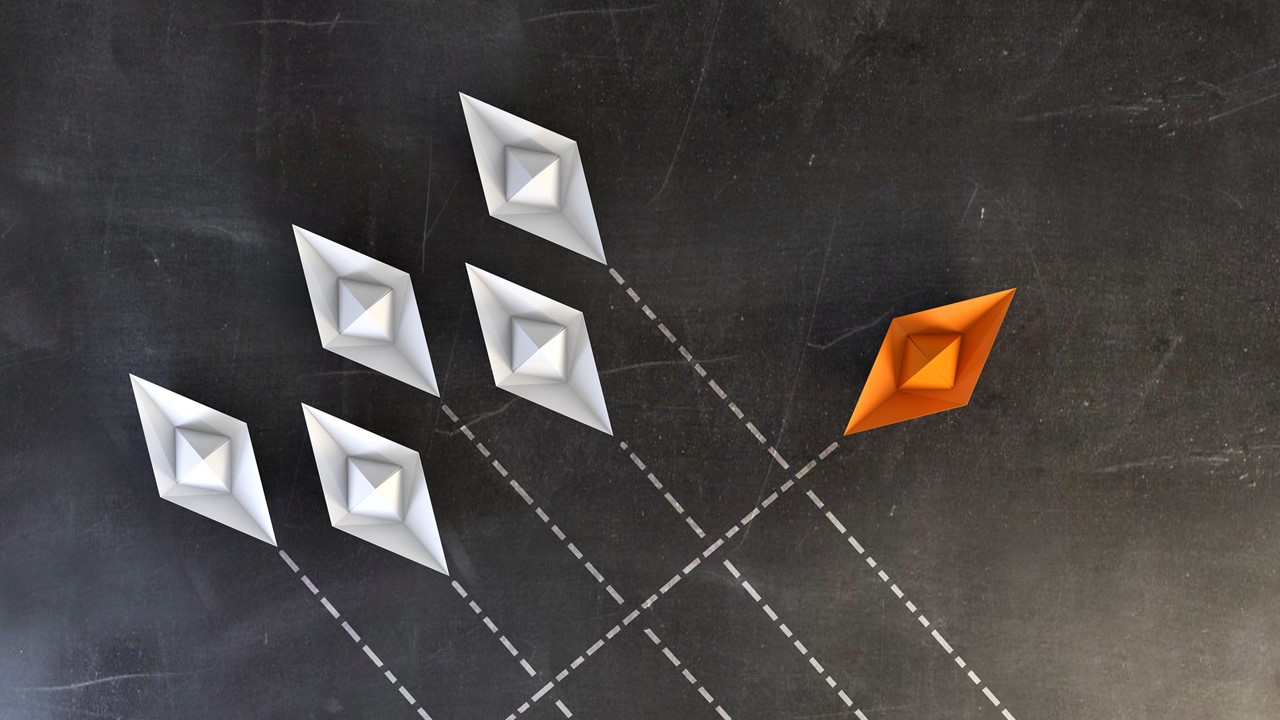
So, what can you actually do about it?
How Imposter Syndrome Manifests
Before you can outsmart it, you have to spot it.
Typical Symptoms of Imposter Syndrome:
- You downplay your accomplishments. (“It was just luck.”)
- You constantly compare yourself to others.
- You feel like you’re pretending.
- You procrastinate or overprepare out of fear of being exposed.
- You avoid taking credit or leadership roles.
- You fear being “found out,” even when you’re succeeding.
What You Can Do (In 10 Seconds or Less)
- Remind yourself: Feelings are not facts.
- Reframe: “I don’t know everything” → “I’m always learning.”
- Talk about it. Seriously, you’re not alone.

Common Thought Traps vs. Confidence-Building Reframes
| Imposter Thought | Better Reframe |
| “I must not fail.” | “Mistakes are proof I’m trying.” |
| “I just got lucky.” | “I created the conditions for success.” |
| “I’m not as good as them.” | “They have struggles too — they’re just hidden.” |
| “If I were smart, this would be easy.” | “Learning curves are normal and necessary.” |
| “Soon they’ll see I’m not qualified.” | “My progress proves I belong.” |
Want more insights like this?This guide on self-belief explores coaching strategies designed to help dismantle negative loops and uncover authentic confidence.
Create a Confidence Portfolio
Instead of relying on your brain to “remember” how far you’ve come (spoiler: it won’t), document it.
How to Start a Confidence Portfolio:
- Track wins, big or small — testimonials, projects, compliments, results.
- Write a quick note each week: “What did I learn?” “What did I do well?”
- Organize it in a PDF you can keep updating — this tool to add pages to a PDF makes it simple.
Over time, you build an archive of truth — not feelings — that tells your real story.
FAQ: Imposter Syndrome Demystified
Isn’t imposter syndrome a sign I’m actually unqualified?
Not even close. It’s often a sign you hold yourself to higher-than-human standards.
Can it go away completely?
For most people, it becomes manageable — not magical. The goal is to act confidently, not feel confident 100% of the time.
What if I just need more credentials?
Sometimes gaining skills does help — especially when it’s strategic, not perfectionistic.
On that note…
Want a Confidence Boost That Pays Off?
Sometimes confidence grows when you back it up with new skills. Pursuing higher education — especially in a specialized field — can give your internal confidence the external proof it’s craving.
For example, if you’re a nurse looking to advance into leadership, informatics, or education, consider whether it’s time tochoose an online MSN program. Flexibility and long-term opportunity? Yes, please.
When to Take Action on Imposter Syndrome
Use this as a gentle nudge. If you check 3+ boxes, take a step today.
✅ You’ve passed up a promotion because “you’re not ready yet.”
✅ You apologize when you speak up — just in case.
✅ You dread feedback.
✅ You feel out of place despite your accomplishments.
✅ You minimize your contributions in meetings.
✅ You secretly feel like you’re “faking it.”
Spotlight: Curated Journals
Yes, journaling is helpful. But if freewriting isn’t your thing, a guided journal with structured prompts can work wonders — especially ones focused on identity, resilience, or career clarity. Ones that stand out are those offered by Promptly Journals — a favorite for those tackling transitions or self-doubt.
Your Progress Isn’t Invisible
Let’s end with this: if you feel like an imposter, you’re probably someone who cares. About doing good work. About showing up well. About earning your space. The irony? That makes you exactly the kind of person who belongs. Start with one thing from this article.
Then another.
The shift won’t be loud — but it will be real.
Written by Nicola Reid