The need for love 💫and is first self-love 🌟
Your need for love, starts with how you love yourself, if you do not like who you are, how can anyone else?. Or think about it, if you do not like yourself why should other people find you loveable?
Power of self love and need for love.
How other people treat you is a reflection of how you accept yourself to be treated.
🌟 Your Self Love Sets the Standard 🌟
Have you ever stopped to consider how the way others treat you is often a mirror reflecting your own self-love? It’s a profound realization that can reshape your relationships and your life🌟
When you truly love and respect yourself, you set boundaries that communicate your worth to the world. You attract people who mirror that love and respect back to you. On the other hand, if you struggle with self-acceptance, you might find yourself in situations where you tolerate disrespect or mistreatment, inadvertently inviting negativity into your life.
✨ Why This Matters:
Understanding that the treatment you receive from others is a direct reflection of how you perceive yourself can be liberating. It empowers you to take control of your narrative. If you’re finding that your relationships are lacking, it might be time to look inward. How are you treating yourself? Are you engaging in self-criticism or allowing negative self-talk to take root?
💖 Cultivating Self-Love 🌟
- Set Boundaries: Decide what behaviors you will accept and what you won’t. Communicate these boundaries clearly.
- Practice Self-Compassion: Treat yourself as you would a dear friend. Embrace your imperfections and celebrate your strengths.
- Surround Yourself with Positivity: Engage with people who uplift you and challenge you to grow. Their support will reinforce your self-worth.
- Invest in Yourself: Whether it’s through education, hobbies, or self-care, make choices that reflect your value. You are worth the investment!
💫 The Shift:
When you begin to love yourself fully, the dynamics of your relationships will shift. You will find that you attract healthier connections and that those around you respond differently. You’ll create an environment where love, respect, and kindness flourish.
Remember, you are the author of your story. Embrace the power of self-love, and watch as the world reflects your inner radiance back to you. You deserve nothing less than to be treated with the love and respect you give to yourself. ✨
Let this be your reminder: The way you allow others to treat you is a reflection of how you love yourself. Choose love, choose respect, and choose YOU! 💖
SelfLove #Boundaries #PositiveRelationships #InnerStrength #SelfWorth
Set Boundaries as the need for love and the power of self love
When you decide what behaviors you will accept and what you won’t. The power of self love and need for love will grow your way, you will start seeing that is not that difficult.
Remember NO is a sentence that you must use. If you are in doubt, the answer should be no.
The Power of Self-Love: Why Saying No is Essential 💖
In a world that often celebrates busyness and self-sacrifice, the concept of self-love can sometimes feel misunderstood or neglected. Many of us are conditioned to please others, to say “yes” to every request, and to stretch ourselves thin in the name of commitment and obligation. However, one of the most profound acts of self-love is the ability to say no. Here’s why mastering the art of saying no is crucial for your well-being and personal growth.
1. Protecting Your Energy 💖
Every time you say yes to something that doesn’t resonate with you, you invest your time and energy in a way that may drain you. Self-love means recognizing your limits and honoring them 🌟
By saying no, you safeguard your emotional and physical energy, allowing yourself to invest in activities and relationships that genuinely uplift and inspire you.
2. Establishing Boundaries 💖
Saying no is a powerful way to set boundaries. Boundaries are essential for maintaining healthy relationships and ensuring that your needs are met. When you’re clear about what you will and won’t accept, you create a space where mutual respect can thrive. This not only benefits you but also teaches others how to treat you, fostering healthier interactions.
3. Prioritizing Your Well-Being 💖
Self-love is about prioritizing your well-being, and that often means making tough choices. By saying no to things that don’t serve you—be it social obligations, extra work commitments, or even toxic relationships—you make room for activities that enhance your life. This could mean spending time on hobbies you love, focusing on self-care, or simply enjoying solitude. Prioritizing your well-being ultimately leads to a more fulfilling and balanced life.
4. Building Self-Confidence 💖
Learning to say no is a practice in asserting your own worth. When you stand firm in your decisions, you reinforce the belief that your feelings and preferences are valid. This builds self-confidence and empowers you to make choices that align with your true self. Over time, the simple act of saying no can transform your self-perception and encourage a deeper connection with who you are.
5. Fostering Authentic Relationships 💖
When you say no to obligations that don’t resonate with you, you make space for genuine connections. Authentic relationships are built on honesty and mutual respect, not on obligation. By being true to yourself and your needs, you attract people who appreciate you for who you are, rather than who they want you to be. This leads to deeper, more meaningful interactions.
6. Encouraging Personal Growth 💖
Saying no can be a catalyst for personal growth. It challenges you to evaluate your priorities, reflect on your values, and reassess what truly matters to you. Each time you make a conscious decision to decline something that doesn’t align with your goals, you reinforce your commitment to personal growth and self-discovery.
🌟Conclusion
In a culture that often equates busyness with worthiness, the ability to say no is an act of radical self-love. It’s a reminder that your time, energy, and emotional health is valuable resources that deserve protection. By embracing the power of no, you cultivate a life that is aligned with your true self, prioritize your well-being, and foster healthier, more authentic relationships. So the next time you feel pressured to say yes, pause and consider: What would self-love prompt you to do? Your well-being is worth the honest answer.
Communicate these boundaries clearly 💖
The Power of Saying No is Establishing and Communicating Boundaries Clearly
In a world that often glorifies busyness and over commitment, the ability to say “no” is both a skill and an act of self-care.
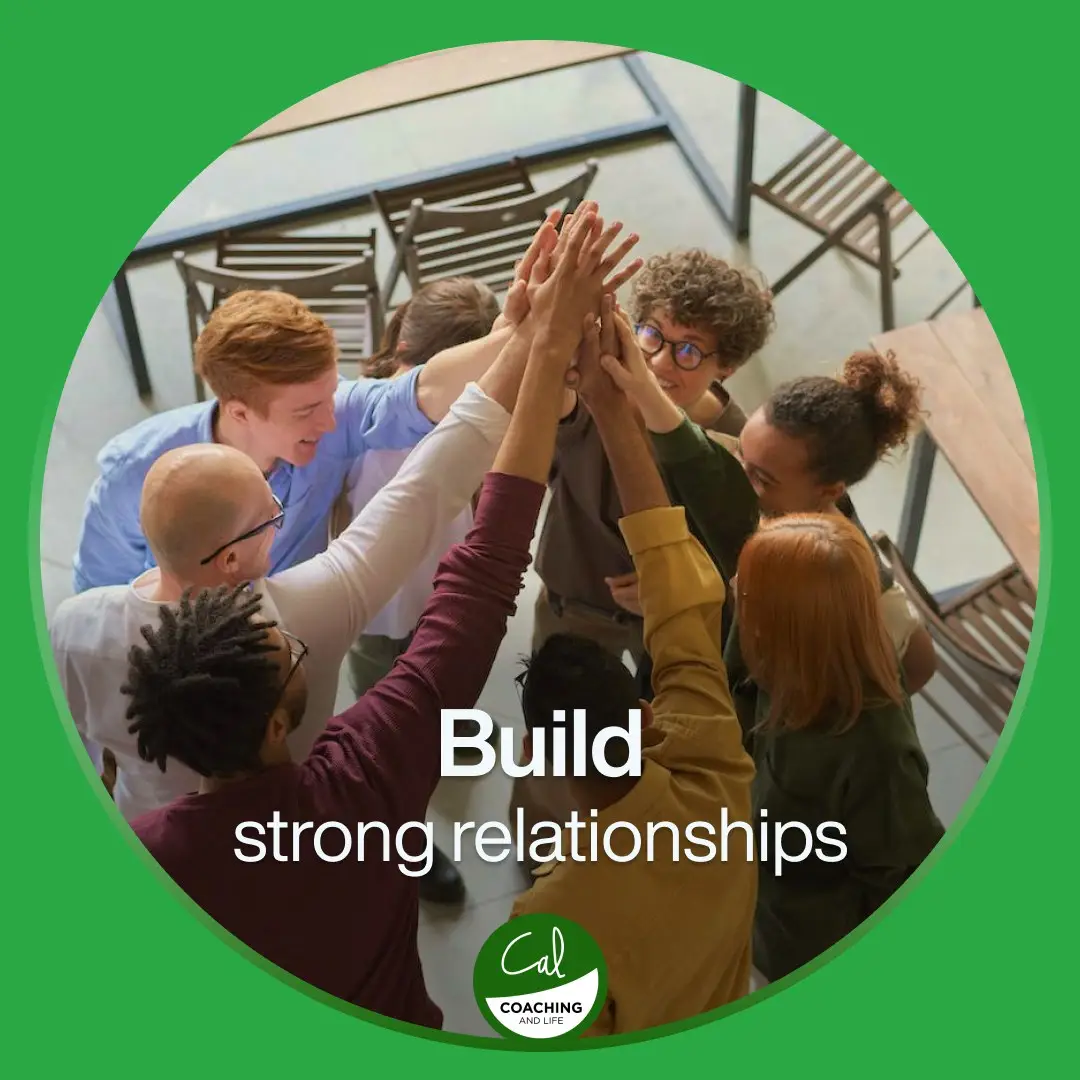
While it may feel uncomfortable at first, asserting your boundaries is essential for maintaining your mental and emotional well-being.
Here’s why saying no is important and how to communicate those boundaries clearly.
Why Saying No Matters
- Protects Your Time and Energy: Every time you say yes to something that doesn’t align with your priorities, you’re saying no to something else—whether it’s personal time, rest, or activities that truly matter to you. By saying no, you reclaim control over your life.
- Fosters Authentic Relationships: When you communicate your boundaries, you’re being honest with yourself and others. This honesty can deepen relationships, as it sets the stage for mutual respect and understanding.
- Reduces Stress and Burnout: Taking on too much can lead to overwhelm and exhaustion. By learning to say no, you can better manage your workload and mental health, reducing the risk of burnout.
- Promotes Self-Respect: Every time you assert your boundaries, you reinforce your self-worth. You send a message to yourself and others that your needs and feelings are valid.
How to Communicate Boundaries Clearly
- Be Direct and Honest: When you decide to say no, be upfront about it. Avoid vague language that can lead to misunderstandings. For example, instead of saying, “I’ll think about it,” say, “I can’t commit to that right now.”
- Use “I” Statements: Frame your response around your feelings and needs. For instance, “I feel overwhelmed with my current commitments, so I can’t take on additional tasks right now.” This approach focuses on your experience rather than placing blame.
- Offer Alternatives (if appropriate): If you genuinely want to help but can’t take on the request, consider suggesting another way to support the person. For example, “I can’t attend the meeting, but I’d be happy to review the notes afterward.”
- Practice Confidence: It can be challenging to say no, especially if you’re used to accommodating others. Practice your response in advance, so you feel more comfortable when the moment arises. Remember, it’s okay to prioritize your well-being.
- Be Prepared for Pushback: Not everyone will take your no gracefully, and that’s okay. Stand firm in your decision and remember that it’s your right to set boundaries. You don’t owe anyone an elaborate explanation for your choices.
- Follow Up with Kindness: If applicable, express gratitude for the opportunity or request. A simple “Thank you for thinking of me, but I need to decline” can go a long way in maintaining goodwill.
Conclusion 💖
Learning to say no is a vital life skill that empowers you to take charge of your time and energy. By clearly communicating your boundaries, you create healthier relationships and pave the way for a more balanced life. Remember, saying no is not a rejection of others; it’s an affirmation of your priorities and well-being. Embrace the power of no, and watch as your life transforms for the better.
Protects Your Time and Energy 💖
Protecting Your Time and Energy: A Path to Love and Self-Love
In our fast-paced world, where distractions are abundant and obligations seem endless, protecting your time and energy has never been more crucial. This practice is not just about managing schedules; it’s about nurturing your emotional well-being and honoring your need for love—both from others and, most importantly, from yourself. Here are some strategies to help you safeguard your time and energy, creating a fertile ground for love and self-love to flourish.
1. Set Clear Boundaries
Establishing boundaries is essential for protecting your time and energy. This means saying no to commitments that drain you and yes to activities that uplift you. Communicate your needs clearly with friends, family, and colleagues. When you respect your boundaries, you send a powerful message to yourself: that your time and well-being are priorities deserving of protection.
2. Prioritize Self-Care
Self-care is not a luxury; it’s a necessity. Allocate time in your schedule for activities that rejuvenate your spirit—whether it’s reading a book, taking a long walk, practicing yoga, or enjoying a hobby. By investing in self-care, you replenish your energy reserves, making it easier to cultivate loving relationships with others and yourself.
3. Limit Digital Distractions
In an age of constant connectivity, it’s easy to get caught up in the digital whirlwind. Set aside specific times to check social media and emails, and consider implementing digital detoxes to reclaim your focus. By reducing these distractions, you create space for deeper connections and self-reflection, enhancing your capacity for love.
4. Surround Yourself with Positivity
Evaluate the people you spend time with. Surround yourself with those who uplift and inspire you, while minimizing interactions with those who drain your energy. Positive relationships foster love, while toxic ones can hinder your self-esteem and overall happiness. Choose to invest your time in connections that nourish your soul.
5. Practice Mindfulness
Mindfulness practices, such as meditation or deep breathing, can help center your thoughts and recharge your energy. By being present in the moment, you cultivate a deeper appreciation for yourself and your surroundings. Mindfulness allows you to recognize and honor your feelings, paving the way for greater self-love.
6. Reflect and Reassess
Regularly take time to reflect on how you’re spending your time and energy. Are your daily activities aligned with your values and desires? If not, consider making adjustments. This reflective practice empowers you to make intentional choices that support your need for love and self-love, rather than allowing external pressures to dictate your actions.
7. Engage in Meaningful Activities
Invest your time in activities that resonate with your passions and values. Whether it’s volunteering, pursuing a creative project, or learning a new skill, engaging in meaningful endeavors not only boosts your self-esteem but also enhances your sense of purpose and connection to others.
8. Celebrate Your Achievements
Take time to celebrate even the smallest victories in your life. Acknowledging your accomplishments fosters a sense of worthiness and reinforces your capacity for love. When you recognize your efforts, you’re more likely to practice self-love, creating a harmonious cycle of positivity and fulfillment.

Conclusion 💖
Protecting your time and energy is a vital step towards nurturing love and self-love in your life. By setting boundaries, prioritizing self-care, and surrounding yourself with positivity, you create an environment where love can thrive. Remember, loving yourself is not selfish; it’s a prerequisite for being able to love others fully. Embrace the journey of self-discovery and self-compassion, and watch as your capacity for love blossoms in beautiful ways.