Why People Don’t Leave Jobs, They Leave Disrespect. And Why the Decision Happens Long Before the Exit.
Introduction: The Moment You Realize It’s Already Over
People rarely leave a job because it becomes difficult. Difficulty, pressure, complexity — these are part of meaningful work. In fact, high-performing individuals often seek challenge. They want responsibility, ownership, and the opportunity to deliver results under pressure.
What they do not tolerate — at least not for long — is disrespect.
There is a quiet but critical truth in the modern workplace:
People don’t leave when work gets hard. They leave when the environment becomes psychologically unsafe, misaligned, or degrading.
And even more importantly:
The decision to leave is rarely made on the day someone resigns or is terminated. It is made weeks or months earlier — internally, silently, and often without anyone noticing.
This article explores:
- Why people truly leave jobs
- The hidden timeline behind resignation or termination
- The leadership behaviors that trigger disengagement
- How job seekers can recognize the early signals
- And how Coachingandlife supports individuals in navigating this transition with clarity and strength
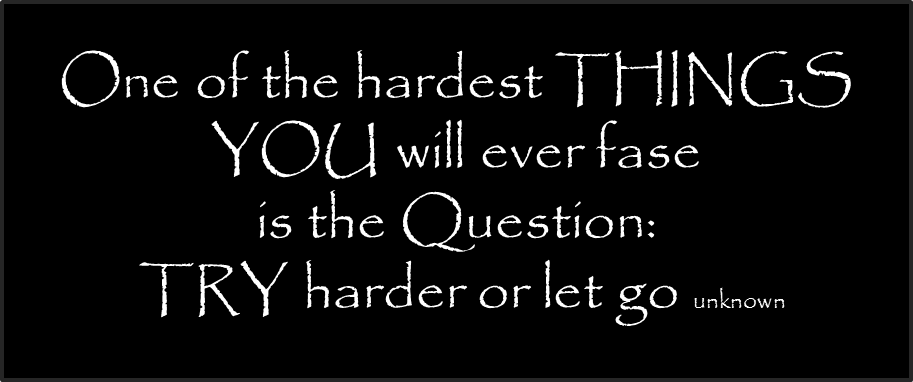
The Myth: “People Leave Because It’s Too Hard”
Let’s dismantle the most common misconception.
Organizations often assume:
- “The workload was too heavy”
- “The employee couldn’t handle pressure”
- “It just wasn’t the right fit”
But these explanations are surface-level narratives — convenient, but incomplete.
In reality, high-performing professionals:
- Thrive in complexity
- Accept pressure as part of growth
- Stay committed when they see purpose and fairness
What they struggle with is something fundamentally different:
- Being ignored
- Being excluded from decisions
- Being undermined
- Being treated without respect
Difficulty builds resilience. Disrespect erodes identity.
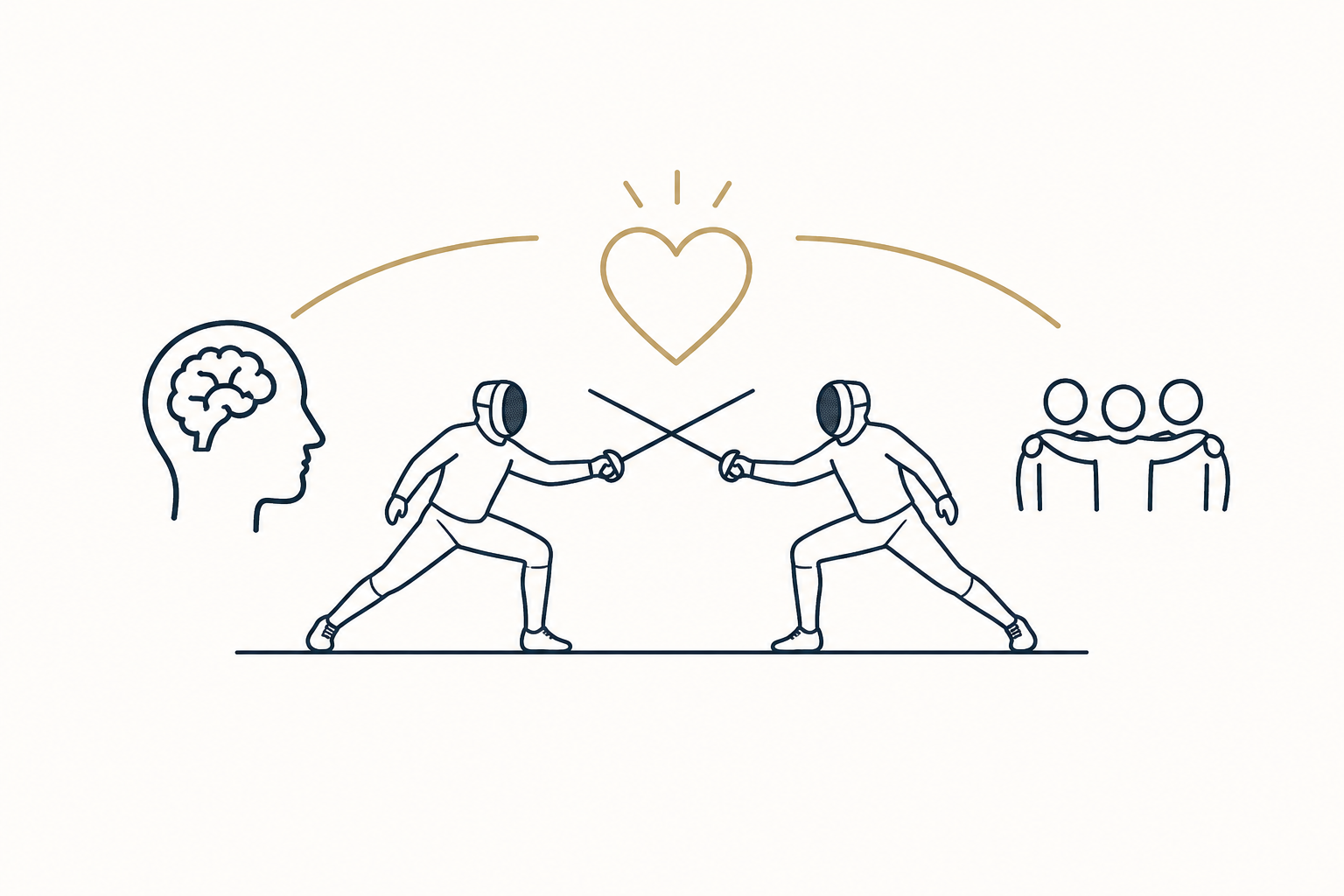
The Real Trigger: Disrespect in the Workplace
Disrespect is rarely loud in the beginning. It does not always show up as overt conflict or aggression.
Instead, it appears in subtle patterns:
1. Lack of Engagement
Leaders stop asking for input.
Decisions are made without involving key contributors.
Meetings become one-way communication.
2. Exclusion from Dialogue
You are no longer invited into critical conversations.
Your perspective is no longer considered valuable.
3. Inconsistent or Unclear Communication
Expectations shift without explanation.
Feedback becomes vague or absent.
4. Undermining Behavior
Your work is questioned without constructive input.
Others are given credit for your contributions.
5. Psychological Pressure or Bullying
Direct or indirect behaviors that create discomfort, fear, or insecurity.
The Internal Timeline: Leaving Starts Months Before
One of the most overlooked aspects of job transitions is timing.
Leaving is not an event. It is a process.
Phase 1: Awareness
Something feels off.
You notice small inconsistencies.
You begin questioning leadership behavior.
Phase 2: Rationalization
You explain it away:
- “It’s just a busy period”
- “Things will improve”
- “Maybe I’m overthinking”
Phase 3: Emotional Withdrawal
Engagement drops.
You contribute less in meetings.
Energy and initiative decline.
Phase 4: Mental Exit
You stop identifying with the organization.
You begin exploring alternatives — quietly.
Your commitment shifts from the company to yourself.
Phase 5: Physical Exit
This is when resignation or termination happens.
But by this point, the decision has already been made.
The organization reacts here — but the root cause started much earlier.

Leadership Responsibility: Where It Breaks Down
From a leadership perspective, this pattern reveals a structural issue:
Leaders often measure performance — but fail to monitor engagement signals.
Three critical gaps typically appear:
1. Lack of Transparency
Without a clear understanding of:
- priorities
- expectations
- decision-making
employees cannot align effectively.
2. Weak Stakeholder Involvement
People disengage when they are not included in shaping outcomes.
3. Absence of Structured Dialogue
Without regular, meaningful interaction:
- misunderstandings grow
- trust erodes
- alignment disappears
In high-performing environments, engagement is not optional — it is operational.
The Emotional Reality of Being “Let Go”
Being fired is often framed as a single moment.
But for most individuals, it feels like confirmation of something they already knew.
Common reflections include:
- “I saw it coming”
- “Something changed months ago”
- “I stopped feeling part of the team”
The emotional impact is not just about losing a job — it’s about:
- Loss of identity
- Loss of recognition
- Loss of control
And in many cases:
Loss of self-trust

For Job Seekers: Recognizing the Signals Early
If you are currently employed but questioning your environment, there are key signals to pay attention to:
You are no longer part of decision-making
Feedback has become unclear or absent
You feel hesitant to speak up
Your contributions are overlooked
You feel drained rather than challenged
These are not minor issues.
They are indicators that alignment has broken down.

Why People Stay Too Long
Even when signals are clear, many professionals delay action.
Common reasons include:
- Financial security
- Loyalty to the organization
- Hope that things will improve
- Fear of the unknown
But staying in a misaligned environment comes at a cost:
- Reduced confidence
- Lower performance
- Increased stress
The longer you stay disconnected, the harder it becomes to act with clarity.
The Shift: From Reaction to Ownership
The key transition for any professional is moving from:
“Why is this happening to me?”
to
“What is my next move?”
This shift requires:
- Awareness
- Structure
- Support
And this is where Coachingandlife becomes relevant.
How Coachingandlife Supports You in Job Transitions
Job searching is not just about updating a CV or applying for roles.
It is about:
- Regaining clarity
- Rebuilding confidence
- Structuring your next move
Coachingandlife provides a framework for exactly that.
1. Creating Transparency
Understanding:
- Your strengths
- Your value
- Your direction
2. Structuring the Process
From:
- Reflection
to - Positioning
to - Action
3. Strengthening Decision-Making
Helping you:
- Evaluate opportunities
- Set boundaries
- Align with the right environments
4. Rebuilding Confidence
Not through motivation — but through clarity and action.
The 5 Core SEO Keywords for Job Seekers
To ensure visibility and relevance, this article integrates five critical search terms that job seekers actively use:
- Why people get fired
- Job search strategy
- Workplace toxicity
- Career transition support
- Professional coaching for job seekers
These reflect the real concerns individuals have when navigating career uncertainty.
Job Search Is Not About Finding a Job — It’s About Finding the Right Environment
A critical mistake many job seekers make is focusing only on:
- Salary
- Title
- Company brand
Instead, the focus should be on:
- Leadership style
- Decision-making structure
- Level of involvement
- Cultural alignment
Because ultimately:
You are not just joining a company — you are entering a system.

Reframing Being Fired
Being fired is often perceived as failure.
But in many cases, it is:
- A misalignment
- A breakdown in communication
- A leadership gap
Reframed correctly, it becomes:
A transition point — not an endpoint.
What Strong Professionals Do Differently
High-performing individuals approach this differently.
They:
- Recognize signals early
- Act before disengagement becomes permanent
- Seek structure and support
- Take ownership of their next step
They do not wait for the system to correct itself.
They move.
Final Reflection: The Real Reason People Leave
Let’s return to the core statement:
People do not leave when it gets hard.
They leave when it becomes disrespectful.
And by the time they leave — mentally or physically —
the decision has already been made.
Closing: Take Control Before the Decision Is Made for You
If you recognize yourself in this pattern, the question is not:
“Should I stay or leave?”
The question is:
“How do I take control of my next move — with clarity and strength?”
That is the work.
And that is where Coachingandlife stands as a partner —
not to tell you what to do,
but to help you see clearly, decide confidently, and act effectively.